




Tatiana Meteleva/Getty Images
It’s easy to get swept away in the latest viral holiday trend or marketing push. This year, it’s a Ralph Lauren Christmas. Don’t miss the Viral TikTok garland. Stuff your stockings with lippies, digital cameras and ice rollers. Hide the elf on the shelf in a new place every day.
But many of us can’t afford a whole new haul of holiday decor or check every item off the kids’ wish lists.
Data shows our feelings about holiday spending are grim. 29% of people say holiday shopping will strain their budget and 27% are stressed about the cost, according to Bankrate’s 2025 Holiday Spending Report.
And nearly 1 in 3 shoppers (30%) plan to spend less this season.
To learn how we’re avoiding the online push to splurge, I spoke with a young mom who’s thrifting decorations and budgeting for gifts so she can pay off debt. Plus, a Certified Financial Planner gave me advice for how we can retrain our brains on social media.

Grace Waterman, 27-year-old mother of two in Kansas City, Kansas, realized last year that her family’s spending was unsustainable.
“I wasn’t handling our money well, I wasn’t sticking to a budget,” she explains.
Like many of us, Waterman was in the habit of scrolling on social media and being tempted to buy things simply because another creator posted about it.
Waterman thinks it’s become the norm. “When you see something, you automatically think you need it,” she explains. “ Or you get used to treating yourself every single time you get paid.”
And as with most marketing, the push to spend ramps up around the holidays. Adobe found social media was a main driver behind Cyber Monday purchases, up 57% from last year in terms of revenue share. Social media influencers were also…influential, included in the 7.4% increase in revenue share this year driven by affiliates and partners.
Elaine King Fuentes, MBA and Certified Financial Planner, sees her younger clients spending impulsively on small luxuries to cope with their stress about housing unaffordability and other high living expenses. And social media preys on that.
“Most humans buy and make financial decisions at an emotional level,” she explains. Social media ads and influencers inject a sense of FOMO — fear of missing out — into our everyday scrolling.
Fuentes also thinks the prevalence of credit cards and buy now, pay later (BNPL) services make it easier to overspend. For example, people might buy Christmas gifts with money they don’t have yet. “We live with the paycheck of next month,” she says.
In fact, more than 1 in 4 holiday shoppers (28%) told Bankrate they plan to take on debt this season, either with a credit card they’ll pay off over time or a BNPL service.
How to save money by deinfluencing Christmas
Deinfluencing breaks the cycle of overspending online with a mindful approach to consumption. You might unfollow influencers or brands and limit your scrolling. And you can make thrifting, reusing and staying out of debt cool again.
Here are a few pieces of advice Fuentes offers her clients around the holidays:
- Budget for social media spending. You don’t have to quit social media purchases completely — but as with any other fun purchase, account for it in your budget. That way, you’ll have a dollar amount in mind that you’re willing to spend each month before opening the apps.
- Beware a false sense of urgency. She advises waiting 24 hours before making a purchase. And watch out for language like “limited time only” or “while supplies last.” “A Certified Financial Planner, for example, will never tell you you have to make the decision right now,” Fuentes says.
- Prioritize experiences. While studying family systems theory, she learned that people tend to appreciate experiences more than material goods. Painting, baking cookies or even local free events in your city can be a meaningful way to enjoy the season without forking over cash for a gift that’ll be forgotten in a few months.
“We have to train our brain…to think of the consequences of our decisions more than 24 hours from now.”
— Elaine King Fuentes, Certified Financial Planner
How the Watermans — and my own family — are decking the halls on a budget
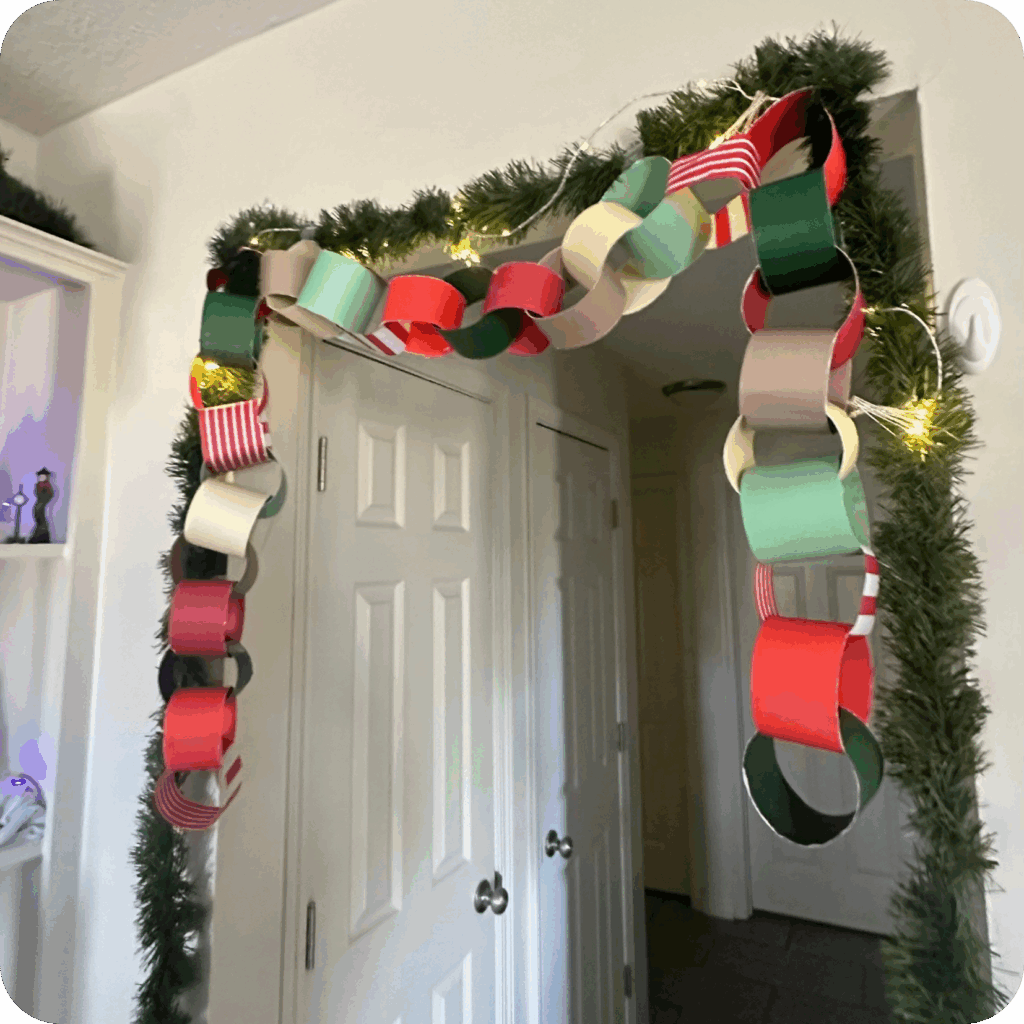
This Christmas, Waterman’s taking a new approach. She’s budgeting for gifts, shopping at discount stores and handmaking decorations. She’s also learned to set a time limit on social media usage, and she tends to “post and ghost” — sharing her own content without needing to scroll for hours after.
The money Waterman saves on gifts and decorations will go toward her family’s financial goals. She and her husband are paying off credit card debt, building an emergency fund and saving for retirement.
Although they live comfortably, Waterman says they’re aiming to “not act like we can just get anything and everything, whenever we want to.”
My family is also rethinking our traditions. We’ve recently switched to a Secret Santa gift exchange — and it’s been a hit. Instead of buying up to six gifts for the whole family, we only buy one gift for the person whose name we draw. Additionally, we hang stockings and fill them with small goodies for everyone.
Our other traditions, like baking Christmas cookies and hitting the ski slopes, leave us with seasonal memories that last far longer than an Amazon or TikTok Shop purchase.
Christmas comes but once a year, so don’t let it affect your finances for months after.
Have you and your family found a way to save money while still relishing Christmas, birthdays and other holidays? I’d love to hear about it. Send me a note at [email protected].
Why we ask for feedback
Your feedback helps us improve our content and services. It takes less than a minute to
complete.
Your responses are anonymous and will only be used for improving our website.
Help us improve our content
Read the full article here