




Key takeaways Mobile banking alerts detect fraud faster than manual monitoring. The sooner you report unauthorized activity, the greater your chance of full reimbursement under federal law. Low balance alerts help you avoid overdraft fees, which average $26.77 per transaction in 2025, according to Bankrate’s checking account survey. Essential alerts…

You’ve heard of home equity lines of credit (HELOCs) and home equity loans, which let you borrow against the value of your home, getting ready cash for renovations, debt consolidation or anything else. But jumping through the income-qualification hoops that characterize much home-based financing may be difficult for borrowers with…

Key takeaways The NCUA (National Credit Union Administration) insures credit union deposits up to $250,000 per depositor, per institution, per ownership category. NCUA insurance provides the same protection as FDIC insurance at banks. Both are backed by the full faith and credit of the U.S. government. Joint accounts receive $250,000…

Key takeaways CD early withdrawal penalties typically cost 60 to 365 days of interest, with longer terms carrying steeper penalties. Breaking a CD early may be worth it if you need funds to avoid high-interest debt, make a major down payment, or lock in significantly higher rates. CD early withdrawal…

Spotlight This Week
More Articles




The nation’s 75 million Social Security recipients will receive a 2.8% cost of living adjustment (COLA) increase in their benefits…

With artificial intelligence beginning to eat away at many white-collar entry-level jobs, and the unemployment rate for recent college graduates…
Featured Articles

Key takeaways Mobile banking apps now offer AI-powered financial insights, biometric security, real-time fraud detection and automated savings tools beyond basic account access. According to Chase, 86% of consumers prefer to use a single app to do their banking. When selecting an app, prioritize security…






Dept Managmnt

2. Coaching and Tutoring Take stock of your areas of expertise – maybe you speak a second language or solving math equations comes…
Banking

OBSERVATIONS FROM THE FINTECH SNARK TANKBankers wants to discuss AI strategy. They’re excited about chatbots, machine learning models, generative AI tools, and AI…

All News

Key takeaways Monthly maintenance fees for non-interest checking accounts average $5.47, costing you over $65 annually, according to Bankrate’s 2025 Checking Account Survey. You can avoid these fees through direct deposit, maintaining minimum balances or switching to a fee-free checking account. According to Bankrate data, 47 percent of non-interest checking…
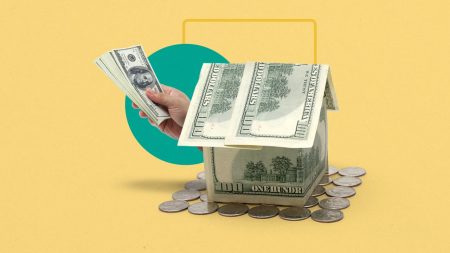
Images by Getty Images; Illustration by Issiah Davis/Bankrate Key takeaways Refinancing your mortgage typically costs between 2 percent and 6 percent of the new loan amount. These closing costs can include fees for origination, a home appraisal and more. You can save on the cost of refinancing by boosting your…

Key takeaways Most checks clear within 2 business days, though some banks may hold funds for up to 7 days depending on the check amount and type. The first $225 of any check deposit must be available by the next business day, as required by federal law. Government checks, cashier’s…

Images by GettyImages; Illustration by Hunter Newton/Bankrate Key takeaways An adjustable-rate mortgage (ARM) is a mortgage whose interest rate resets at periodic intervals. ARMs have low fixed interest rates at their onset, but often become more costly after the rate starts fluctuating. ARMs tend to work best for those who…

Most of us have lent money to a friend or family member or paid a group bill with the expectation of being paid back. Unfortunately, these situations don’t always go smoothly and often result in lost money or hurt feelings — sometimes both. About seven in 10 U.S. adults (70…
As millions of Americans head home for the holidays, Bankrate’s latest survey finds that there’s one dinner topic that will likely generate more heartburn than the typical conversation taboos about politics or religion: it’s money. The national opinion poll found that about 3 in 5 U.S. adults (61 percent) said…

Key takeaways Three percent down mortgages are exactly what they sound like — they require only a 3 percent down payment. The lower down payment can make it easier to afford a home, but it will mean higher mortgage payments. These mortgages are often part of a program, and borrowers…

KenWiedemann/Getty Images Key takeaways HomeReady mortgages are a type of conventional loan for lower-income borrowers, backed by Fannie Mae. To qualify for a HomeReady loan, your income can’t exceed more than 80 percent of your area’s median income. The program offers a low 3 percent down payment minimum and reduced…

Dean Mitchell/E+/Getty Images Key takeaways Your credit utilization ratio is determined by taking the amount you owe on a credit card and dividing it by your credit limit. Credit utilization is an important factor in your credit score. Most experts recommend keeping this ratio below 30 percent for the best…
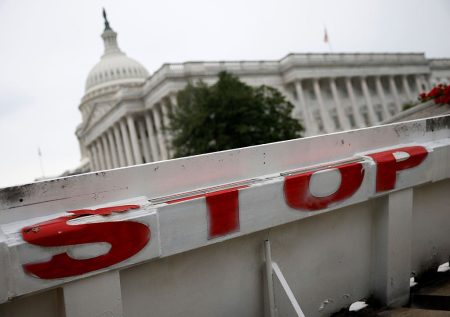
Kevin Dietsch / Getty Images Key takeaways The National Flood Insurance Program (NFIP) cannot issue new flood insurance policies during a government shutdown. Existing NFIP policies remain valid if issued on or before September 30, 2025 and paid within the 30-day grace period. Policy changes, cancellations and endorsements are paused…
Editor's Pick